The Flexner Report: How One Psychologist Helped Monopolize Medicine Forever
A critical look at the 1910 Flexner Report, commissioned by the Carnegie Foundation, and how Abraham Flexner’s medical education reforms helped centralize healthcare, close alternative and Black medical schools, and shape the modern medical monopoly under the banner of science and progress.

Andrew Carnegie became one of the richest men to ever live through Carnegie Steel.
In 1901, he sold Carnegie Steel to J.P. Morgan. That deal helped create U.S. Steel, the first billion-dollar corporation in history.
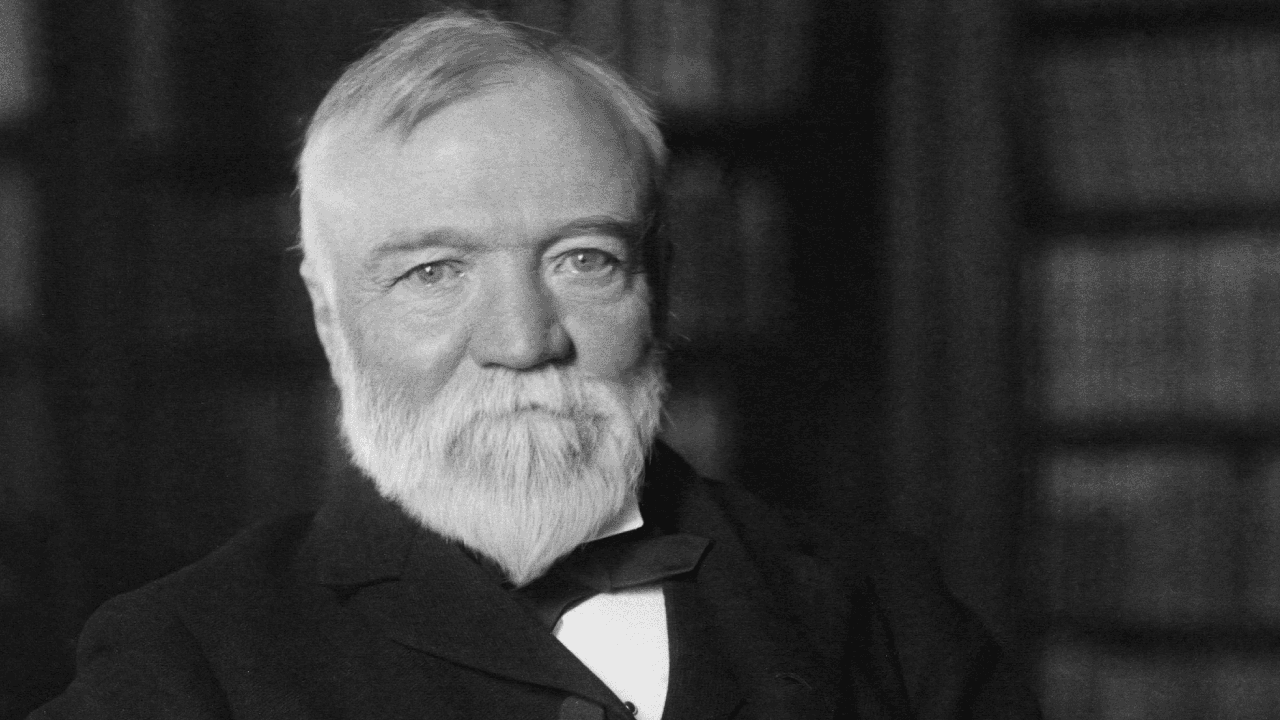
Carnegie then turned his fortune into philanthropy.
Libraries. Universities. Research institutions. Cultural organizations. Foundations.
One of those institutions, the Carnegie Foundation for the Advancement of Teaching, later commissioned Abraham Flexner to inspect and evaluate medical schools across the United States and Canada.
Flexner was not a physician.
He was not a doctor. He was not even a medical scientist.
He was Psychology graduate brought in by elite philanthropy to decide what medicine should become.
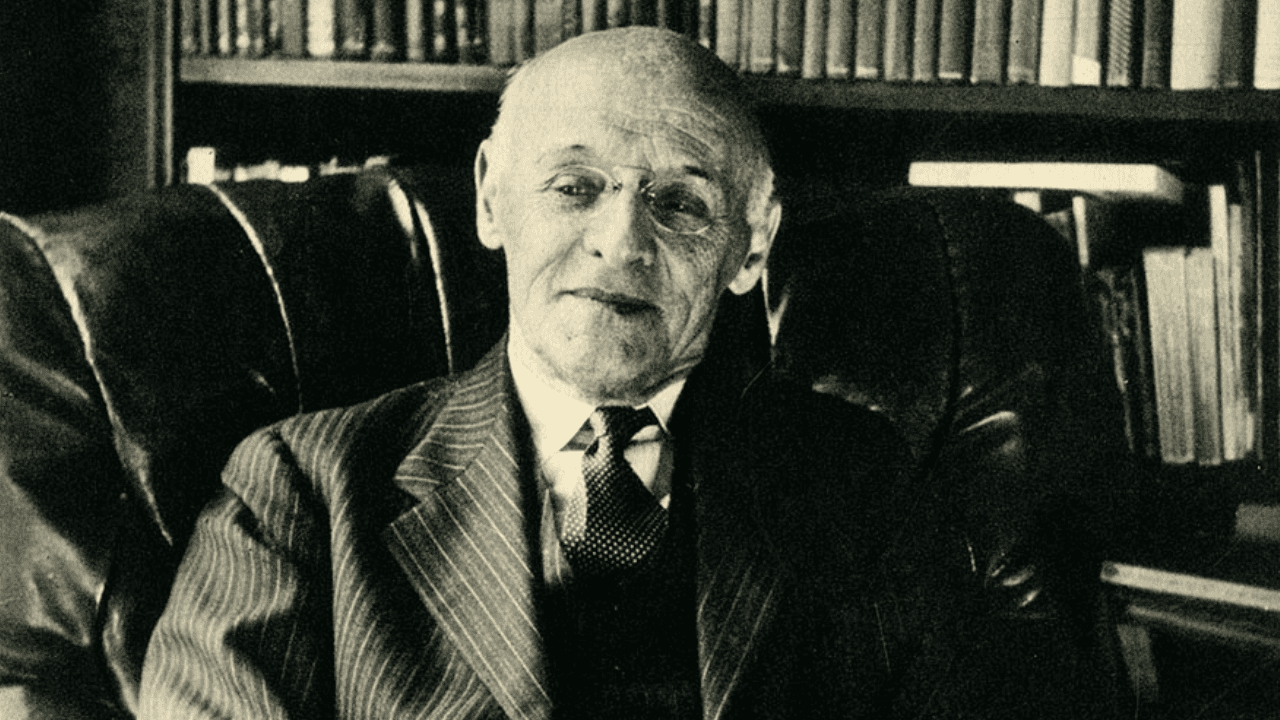
And the irony is brutal: Flexner’s own rise was materially supported by his wife, Anne Crawford Flexner, a successful playwright who helped fund his studies at Harvard and in Europe.
Then he wrote a report that helped reshape medicine in ways that devastated women’s access, Black medical schools, rural pathways, and alternative healing traditions.
The Flexner Report was sold as “medical reform.”
But it was a weapon.
It helped hand medicine over to wealthy universities, foundations, hospitals, licensing boards, and the emerging biomedical establishment.
It crushed smaller schools, marginalized alternative traditions, narrowed access, consolidated authority, and then called the wreckage “progress.”
The move is familiar:
Define your institution as “science.”
Define everyone outside it as dangerous.
Starve them of legitimacy.
Call the purge neutral.
If that sounds familiar, it is because this strategy is still alive.
The Flexner Report narrowed what medicine was allowed to be. It centralized authority, laundered class power through philanthropy, and helped build a system where healing became something approved from the top down.
Science should be a method.
But too often, institutions use “science” as branding for meritocracy, dogma, racism, and control.
Don’t take my word for it. Read the report yourself. It is still available through the Carnegie Foundation.
Here are some of the lines that tell you exactly what kind of “reform” this was:
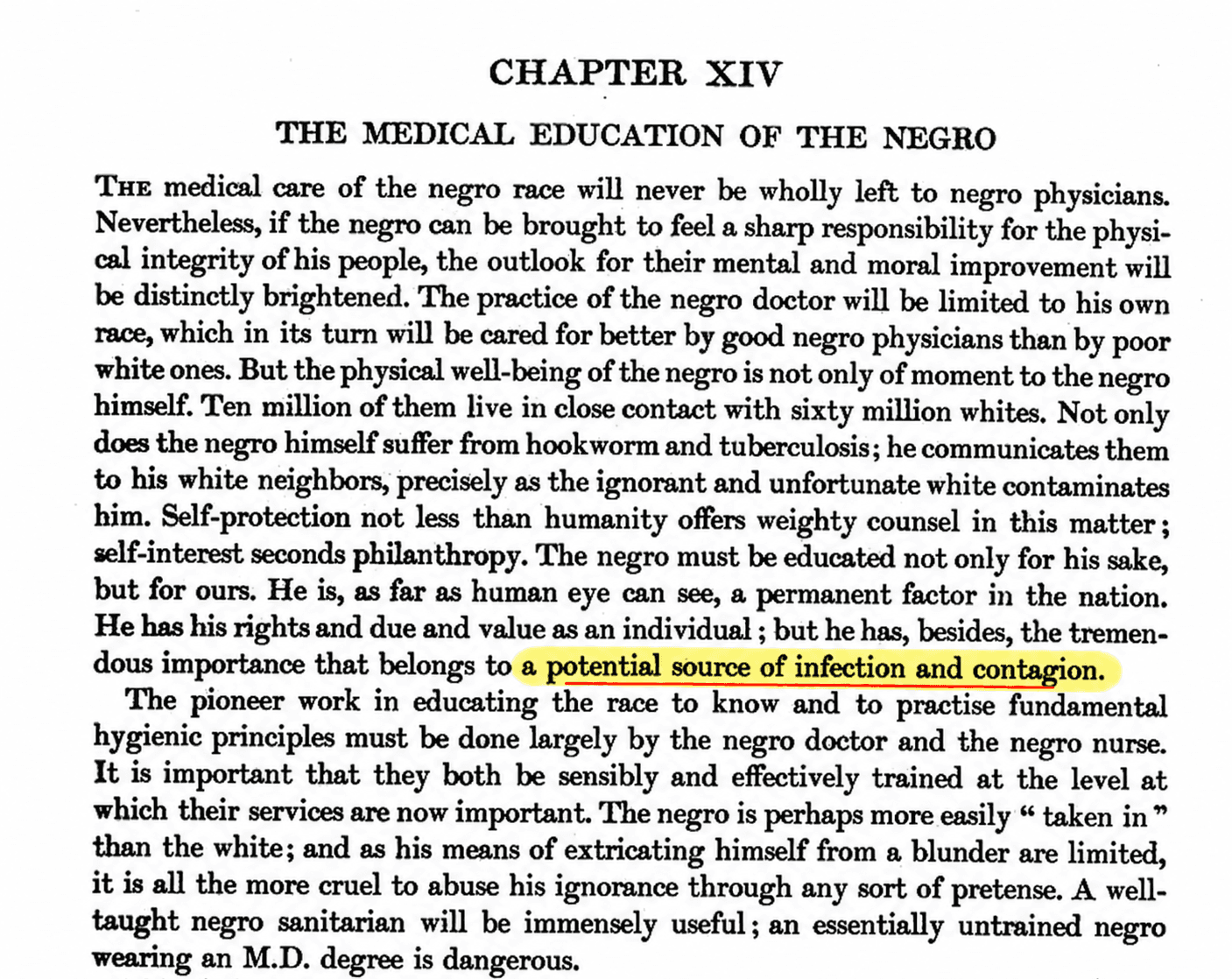
“weaker and superfluous schools are extinguished.”
“the very disappearance of many existing schools”
“the medical sects will disappear.”
“unconscionable quacks”
“a potential source of infection and contagion.”
“hygiene rather than surgery”
“Make-believe in the matter of negro medical schools is therefore intolerable.”
“The practice of the negro doctor will be limited to his own race”
That is not neutral language.
That is not just quality control.
That is a worldview.
The Flexner Report helped build a medical monopoly by deciding which institutions counted, which bodies mattered, which traditions were legitimate, and who was allowed to heal.
And more than a century later, we are still living inside the system it helped create.
That is not science.
That is dogma in a lab coat.
A critical look at the 1910 Flexner Report, commissioned by the Carnegie Foundation, and how Abraham Flexner’s medical education reforms helped centralize healthcare, close alternative and Black medical schools, and shape the modern medical monopoly under the banner of science and progress.
The Flexner Report: How One Psychologist Helped Monopolize Medicine Forever
Andrew Carnegie became one of the richest men to ever live through Carnegie Steel.
In 1901, he sold Carnegie Steel to J.P. Morgan. That deal helped create U.S. Steel, the first billion-dollar corporation in history.
Carnegie then turned his fortune into philanthropy.
Libraries. Universities. Research institutions. Cultural organizations. Foundations.
One of those institutions, the Carnegie Foundation for the Advancement of Teaching, later commissioned Abraham Flexner to inspect and evaluate medical schools across the United States and Canada.
Flexner was not a physician.
He was not a doctor. He was not even a medical scientist.
He was Psychology graduate brought in by elite philanthropy to decide what medicine should become.
And the irony is brutal: Flexner’s own rise was materially supported by his wife, Anne Crawford Flexner, a successful playwright who helped fund his studies at Harvard and in Europe.
Then he wrote a report that helped reshape medicine in ways that devastated women’s access, Black medical schools, rural pathways, and alternative healing traditions.
The Flexner Report was sold as “medical reform.”
But it was a weapon.
It helped hand medicine over to wealthy universities, foundations, hospitals, licensing boards, and the emerging biomedical establishment.
It crushed smaller schools, marginalized alternative traditions, narrowed access, consolidated authority, and then called the wreckage “progress.”
The move is familiar:
Define your institution as “science.”
Define everyone outside it as dangerous.
Starve them of legitimacy.
Call the purge neutral.
If that sounds familiar, it is because this strategy is still alive.
The Flexner Report narrowed what medicine was allowed to be. It centralized authority, laundered class power through philanthropy, and helped build a system where healing became something approved from the top down.
Science should be a method.
But too often, institutions use “science” as branding for meritocracy, dogma, racism, and control.
Don’t take my word for it. Read the report yourself. It is still available through the Carnegie Foundation.
Here are some of the lines that tell you exactly what kind of “reform” this was:
“weaker and superfluous schools are extinguished.”
“the very disappearance of many existing schools”
“the medical sects will disappear.”
“unconscionable quacks”
“a potential source of infection and contagion.”
“hygiene rather than surgery”
“Make-believe in the matter of negro medical schools is therefore intolerable.”
“The practice of the negro doctor will be limited to his own race”
That is not neutral language.
That is not just quality control.
That is a worldview.
The Flexner Report helped build a medical monopoly by deciding which institutions counted, which bodies mattered, which traditions were legitimate, and who was allowed to heal.
And more than a century later, we are still living inside the system it helped create.
That is not science.
That is dogma in a lab coat.
Share